Reconstructing six months from half-memory
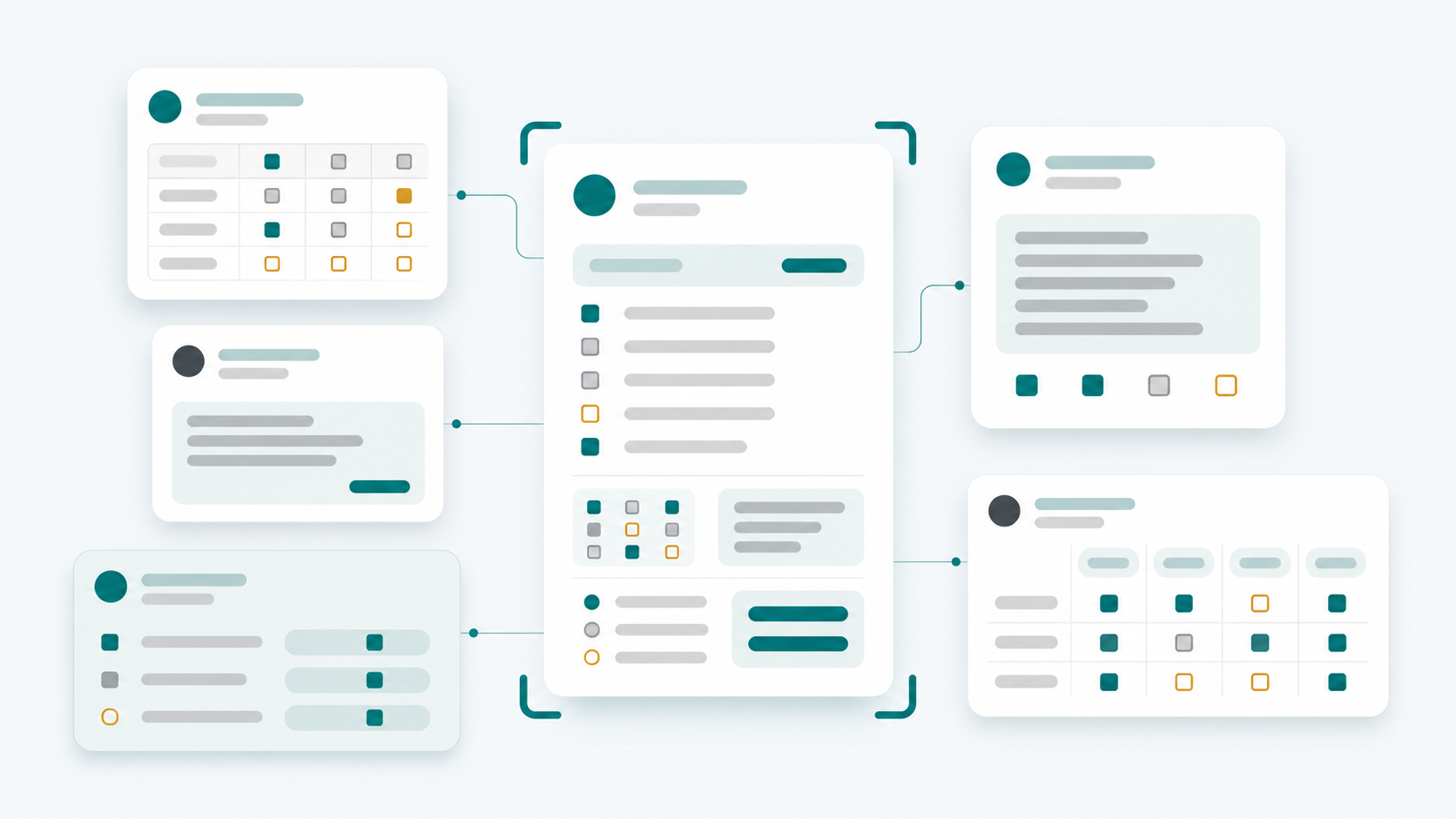
By the time I can write a performance review, I have usually reconciled the CRM data in Excel, searched six months of 1:1s, checked development plans and read the employee's self-review.
The hardest part for me when review time comes is compiling all the information, and that's true even though I've already done the sensible work in the CRM to make the dashboards and reports easy to call up and filter.
There is almost always some nuance when I look back at a person's results. A customer moved halfway through the period, an account changed hands, or something else happened that changes how I should read the number against what I expected from that person. More often than not, I end up exporting the report to Excel and working through those details there before I feel like I have the quantitative side of the review right.
Once I've done that, I still have most of the review to assemble.
- The sequence I follow when the information for a review lives in several places
- Why the same report or spreadsheet has never worked across every role on my team
- Where ChatGPT helps once I have gathered the inputs, and where I still have to do the work
The customer who changed hands halfway through the period
The dashboards give me a place to start, and I've put time into making sure I can get to the right reports without rebuilding them every review cycle. To be fair, that part works. What the report can't tell me on its own is whether the period it covers was normal enough for the number to mean what it appears to mean.
If I managed one function and every person had the same job, I could probably get closer to a report that worked the same way each time. When I had a larger team that spanned multiple functions, though, a support person and a CSM had different expectations, different measures and different circumstances I needed to take into account. I couldn't export one report, filter it by employee and treat the rest of the process as interchangeable.
I've tried over the years to build a Google Sheet or Excel workbook that would make review time more plug and play. Between review cycles it always seemed possible, and then review time came with a different role, an account transition or some other exception that needed to be understood. More often than not, it became a custom job again. It was bespoke.
Then I search the 1:1 documents
Once I'm comfortable with what the numbers are saying, I go back through my 1:1 documents because that's where a different part of the period lives. I'm trying to make sure the review reflects what the person and I actually talked about, what I gave them feedback on, what they asked me for help with and whether something I'm thinking about now would be new information to them.
I also look at their development plan, which not every employee has, but some do. Where one exists, I want to see what they prioritized in terms of learning and training, what help they explicitly asked me for, and whether that help came from me, another team member or a mentor. None of that is going to show up in the CRM report, and it still belongs in how I understand the period.
Then I read the employee's self-review and pay attention to where they rate themselves, which examples they chose and what they think mattered most. If their account of the period is different from mine, I want to understand why before I finish the review, especially if one of us is working from information the other person didn't have.
After I have all of that in front of me, I put it into the context of the company's expectations and skills matrix. The matrix helps me make the judgment, although getting to the point where I can use it means I've already reconciled the results, searched the 1:1s, looked at development and read the person's own account of the same six months.
ChatGPT gets me maybe 70 percent of the way
I've used ChatGPT for this, usually by assembling all of those inputs and explaining what the finished review should look like. It's usually gotten me, I don't know, maybe 70 percent of the way there.
The editing is where I tend to find the thing I missed. Sometimes I need to correct how it interpreted a detail, and sometimes I realize that the account transition that changes an entire quarter is still in my head, or the request for help I meant to include is sitting in a 1:1 document that never made it into the prompt. ChatGPT can only work with the version of the period I managed to assemble for it, which means I still have to decide whether that version is complete enough and what the information supports.
The system I keep meaning to commit to
Every time one of these sessions ends, I think to myself that I should really lock in and commit to a single system, so that when the next review cycle comes I am building from something that already exists instead of spending three hours putting one review together for one employee.
I've had that thought more than once, and once review season is over it tends to fall back down my list of priorities because I got through the reviews and the immediate problem is gone. The spreadsheet or template is also easier to focus on than the harder part, which is keeping the results, account context, 1:1 notes, development priorities and expectations close enough together during the period that I don't have to find their relationship again six months later.
What I want to change before the next cycle is how much of the person's year I have to reconstruct before I can start writing. If those pieces are already together, I can use the review time to decide what they mean and use ChatGPT to help me draft from them, while keeping the part that still needs to be mine: whether the information is complete, what it supports and what I am prepared to put in the review.
The bar, written down once, in the place the evidence lands.
The Same Page holds the expectations for every role and level, and collects what happened against them as you go, so the version you defend in December is the one you wrote in August.
Start free